EN
EN Türkçe
  Русский
  العربية
Traditional Palace Dishes: Discover the Finest Flavors of Ottoman Palace Cuisine
The history of Turkish cuisine cannot be fully appreciated without exploring traditional palace dishes, the elegant recipes that once graced the tables of Ottoman sultans. Developed over centuries in the imperial kitchens of Topkapı Palace, these remarkable dishes represent one of the world’s most sophisticated culinary traditions. Combining carefully selected ingredients, refined cooking techniques, and artistic presentation, traditional palace dishes continue to inspire modern Turkish gastronomy and offer visitors a unique taste of Istanbul’s imperial past.
The Ottoman Palace Kitchen, known as Matbah-ı Âmire, was one of the largest and most advanced kitchens of its time. Hundreds of skilled chefs worked together to prepare meals for the royal family, distinguished guests, and palace officials. Every recipe was created with precision, balancing flavors, textures, and presentation to reflect the elegance of the Ottoman court. Today, many traditional palace dishes remain an important part of Turkey’s culinary heritage and are carefully preserved by restaurants dedicated to authentic Ottoman cuisine.
Traditional Palace Dishes
One of the defining characteristics of traditional palace dishes is the quality of their ingredients. Palace chefs used premium cuts of lamb, beef, poultry, fresh seafood, seasonal vegetables, fragrant herbs, rice, butter, dried fruits, nuts, and aromatic spices. Rather than overpowering dishes with intense seasoning, they focused on creating harmony between ingredients, allowing natural flavors to shine through.
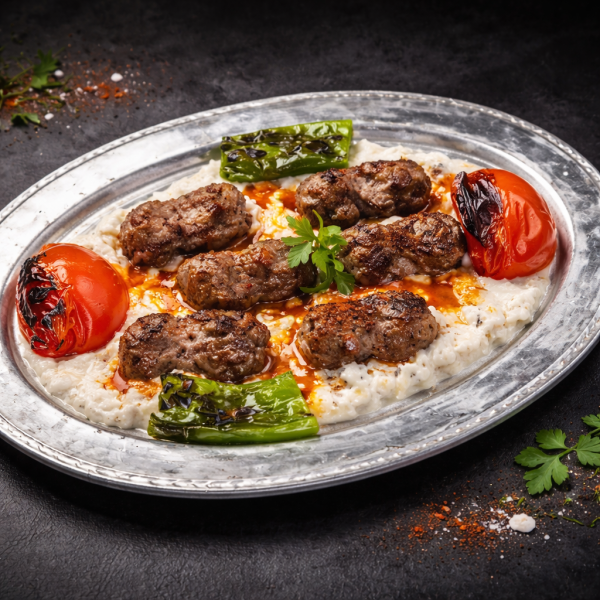
Among the most celebrated traditional palace dishes are slow-cooked lamb specialties that demonstrate the patience and craftsmanship of Ottoman cooking. Tender lamb prepared over many hours develops exceptional richness while maintaining a delicate texture. These dishes were often served with fragrant rice pilaf enriched with almonds, pistachios, raisins, or currants, creating a balance of savory and sweet flavors that became a hallmark of palace cuisine.
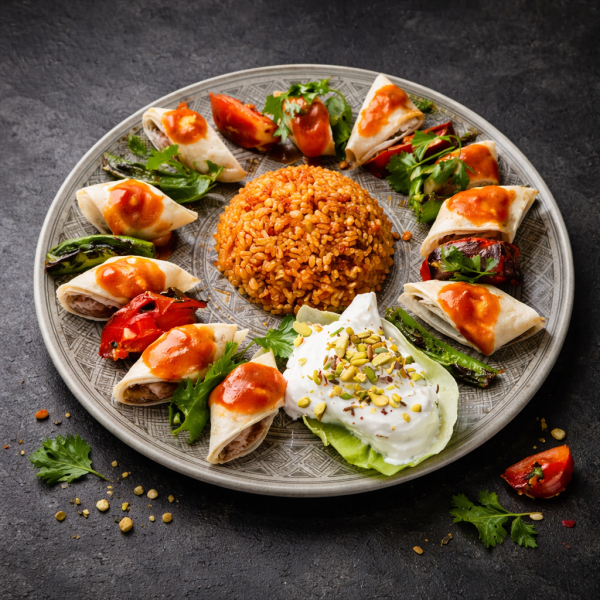
Stuffed vegetables also occupy an important place among traditional palace dishes. Carefully prepared peppers, eggplants, zucchini, and vine leaves were filled with seasoned rice, herbs, minced meat, pine nuts, and aromatic spices before being slowly cooked to perfection. These recipes showcase the Ottoman chefs’ remarkable ability to transform simple ingredients into elegant culinary creations.
Rice was considered an essential element of palace dining. Unlike ordinary side dishes, Ottoman rice pilafs were prepared with extraordinary attention to detail. Premium rice was combined with butter, broth, dried fruits, nuts, and delicate seasonings to create flavorful accompaniments that complemented meat and vegetable dishes. These refined pilafs remain among the finest examples of traditional palace dishes still enjoyed today.
Another important feature of Ottoman palace cuisine was its variety of soups. Rich lentil soups, yogurt-based recipes, and meat broths were often served at the beginning of formal meals, providing a comforting yet elegant introduction to the dining experience. Prepared using fresh ingredients and traditional techniques, these soups reflected the balance and sophistication that defined palace gastronomy.
No exploration of traditional palace dishes would be complete without mentioning the remarkable desserts that concluded imperial banquets. Baklava remains the most internationally recognized Ottoman dessert, featuring delicate layers of pastry filled with premium pistachios or walnuts and finished with sweet syrup. Other palace favorites included milk-based desserts, fruit preserves, and elegant sweets flavored with rosewater, saffron, or mastic, demonstrating the creativity of Ottoman pastry chefs.
Beyond individual recipes, traditional palace dishes represent a philosophy of hospitality. Meals in the Ottoman Palace were carefully planned to create harmony between flavors, colors, and textures while offering guests an unforgettable dining experience. Every course reflected generosity, refinement, and respect for culinary craftsmanship—values that continue to influence Turkish cuisine today.
Visitors exploring Istanbul have the unique opportunity to experience traditional palace dishes in the very city where they were first perfected. The Historic Peninsula, particularly around Sultanahmet and Topkapı Palace, remains the best place to discover restaurants dedicated to preserving these centuries-old recipes. Dining near the palace where Ottoman chefs once created these masterpieces adds an extra layer of authenticity to the experience.
Among the finest destinations for authentic traditional palace dishes is Reşat Efendi, located in the heart of Istanbul’s Historic Peninsula. Just a short walk from Topkapı Palace, Hagia Sophia, the Blue Mosque, and the Grand Bazaar, the restaurant invites guests to discover the elegance of Ottoman cuisine through carefully prepared recipes inspired by the imperial kitchen.
How to Get There and Make a Reservation
Address: In the heart of the Fatih district, Istanbul—just steps away from the historic Fatih Mosque and only a few minutes from the Grand Bazaar.
Location Link: Click here for direct driving directions via Google Maps
Operating Hours: Open daily from 09:00 AM to 11:15 PM.
Via Phone: 02129343738
Via WhatsApp: Click here for instant reservation & fast booking
At Reşat Efendi, traditional cooking techniques meet premium ingredients to recreate the refined flavors that once delighted Ottoman sultans. Guests can enjoy expertly prepared meat specialties, traditional mezes, aromatic rice dishes, and handcrafted desserts in a welcoming atmosphere that reflects the warmth of Turkish hospitality. Every plate celebrates the culinary traditions that have shaped Turkish cuisine for centuries while offering visitors an authentic dining experience in one of Istanbul's most historic neighborhoods.
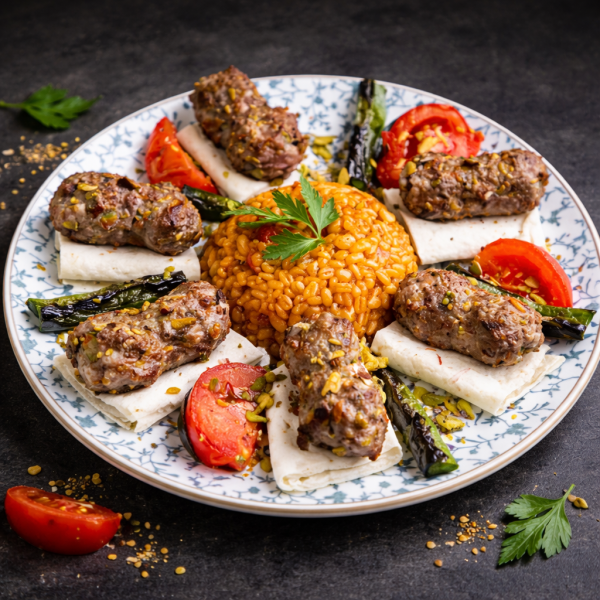
Exploring traditional palace dishes is much more than enjoying exceptional food—it is an opportunity to experience the culture, artistry, and history of the Ottoman Empire through its most treasured recipes. Every dish tells a story of craftsmanship, every ingredient reflects centuries of tradition, and every meal connects visitors with one of the world’s greatest culinary legacies. For anyone seeking an authentic taste of Ottoman palace cuisine, Reşat Efendi offers the perfect place to experience these timeless flavors in the heart of Istanbul.