EN
EN Türkçe
  Русский
  العربية
Traditional Ottoman Dishes: Must-Try Foods from the Ottoman Palace Cuisine
The Ottoman Empire left behind one of the world’s richest culinary legacies, blending flavors, ingredients, and cooking traditions from three continents into a sophisticated cuisine that continues to inspire chefs today. While the empire is remembered for its remarkable history and architecture, its cuisine remains one of its most enduring treasures. Many traditional Ottoman dishes, once prepared for sultans and royal banquets, are still enjoyed in Istanbul, allowing visitors to experience centuries of culinary excellence with every bite. ottoman palace dishes
Unlike everyday home cooking, Ottoman cuisine was carefully designed to achieve harmony between flavor, texture, aroma, and presentation. Palace chefs combined premium ingredients with refined cooking techniques to create meals that celebrated both hospitality and craftsmanship. Every dish reflected the empire’s multicultural character, incorporating influences from Anatolia, the Balkans, the Middle East, the Mediterranean, and Central Asia.
Today, exploring traditional Ottoman dishes offers far more than a memorable meal. It offers a unique opportunity to connect with Istanbul’s imperial past and discover recipes preserved for generations. Whether you’re visiting the city for the first time or returning to experience its rich gastronomy, tasting these historic specialties is essential to understanding Turkey’s culinary heritage.
In this guide, you’ll discover the most famous Ottoman dishes, learn which recipes every visitor should try, explore the traditions of Ottoman palace cuisine, and find out where to enjoy authentic Ottoman flavors in Istanbul.
What Makes Traditional Ottoman Dishes Unique?
The appeal of traditional Ottoman dishes lies not only in their remarkable flavors but also in the philosophy behind their preparation. Every recipe was developed with great attention to detail, combining carefully selected ingredients and refined techniques that transformed simple foods into extraordinary culinary creations.
One of the defining characteristics of Ottoman cuisine is its emphasis on balance. Rather than relying on intense spices, palace chefs used herbs and seasonings with restraint, allowing the natural flavors of meat, vegetables, grains, and dairy products to stand out. ottoman palace dishes
Slow cooking was another essential feature. Lamb, beef, poultry, and vegetables were gently cooked over low heat for hours, producing tender textures and rich, layered flavors that became a hallmark of Ottoman gastronomy.
Seasonal ingredients also played an important role. Fresh herbs, locally grown vegetables, dried fruits, nuts, butter, olive oil, and fragrant rice were carefully selected according to the season, ensuring both quality and freshness.
Presentation was equally important. Meals served in the imperial palaces were designed to impress distinguished guests, with each dish reflecting elegance, refinement, and the generosity of Ottoman hospitality.
Perhaps most importantly, traditional Ottoman dishes represent the cultural diversity of the empire itself. Influences from Anatolia, the Balkans, Persia, the Arab world, and Central Asia blended to create a cuisine unlike any other—one that continues to captivate food lovers from around the world. ottoman palace dishes
Famous Ottoman Dishes Every Visitor Should Try
Among the many recipes that have survived from the imperial kitchens, several have become internationally recognized as the famous Ottoman dishes that define this extraordinary culinary tradition. Each one tells a story of craftsmanship, history, and the refined tastes of the Ottoman court. Traditional Ottoman Dishes
Hünkar Beğendi
Often translated as “The Sultan’s Delight,” Hünkar Beğendi is perhaps the most iconic dish of Ottoman cuisine. ottoman palace dishes
It features slow-cooked lamb served over a silky purée of roasted eggplant enriched with butter and cheese. The combination of smoky eggplant and tender lamb creates a luxurious dish that perfectly reflects the sophistication of palace cooking.
Kuzu Tandır
Kuzu Tandır, or slow-roasted lamb, is another masterpiece of Ottoman gastronomy.
Prepared over low heat for several hours, the lamb becomes exceptionally tender while retaining its natural juices and delicate flavor. Traditionally served with rice or seasonal vegetables, it remains one of the finest examples of Ottoman slow-cooking techniques.
Testi Kebab
Originally prepared in a sealed clay pot, Testi Kebab combines meat, vegetables, herbs, and spices that slowly cook together to develop rich, aromatic flavors. Traditional Ottoman Dishes
The dramatic presentation of breaking the clay pot before serving adds to the experience while preserving centuries-old cooking traditions. ottoman palace dishes
Yaprak Sarma
These delicate vine leaves are filled with aromatic rice, fresh herbs, pine nuts, currants, and, in some variations, minced meat.
Yaprak Sarma demonstrates the Ottoman appreciation for balance, combining savory and slightly sweet flavors in a beautifully presented appetizer. Traditional Ottoman Dishes
İç Pilav
Rice was never considered a simple side dish in Ottoman cuisine.
İç Pilav combines fragrant rice with butter, pine nuts, currants, cinnamon, and aromatic spices, creating a sophisticated accompaniment that pairs beautifully with roasted meats and poultry. ottoman palace dishes
Mutancana
One of the lesser-known treasures of Ottoman palace cuisine, Mutancana is a rich lamb stew prepared with dried apricots, figs, raisins, almonds, honey, and delicate spices.
The harmonious blend of sweet and savory flavors reflects the creativity and refinement that distinguished imperial cooking.
Ottoman Desserts
No Ottoman feast would be complete without dessert.
Classics such as Baklava, Kazandibi, Sütlaç, and Zerde showcase the empire’s mastery of pastry, milk-based sweets, and fragrant rice desserts. These timeless recipes continue to be enjoyed throughout Turkey and remain an essential part of every authentic Ottoman dining experience.
Together, these famous Ottoman dishes represent the diversity, elegance, and culinary artistry that made the imperial kitchens renowned throughout the world. Every recipe offers a glimpse into a rich gastronomic heritage that continues to inspire chefs and delight visitors centuries later. Traditional Ottoman Dishes
Best Ottoman Dishes for First-Time Visitors
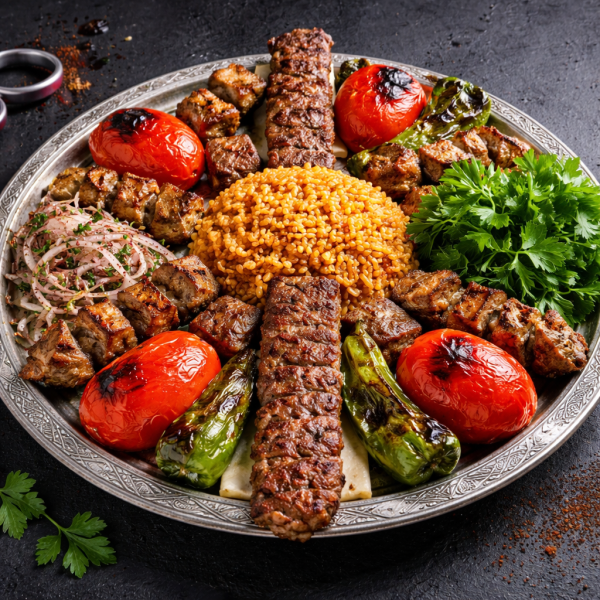
If you’re experiencing Ottoman cuisine for the first time, the variety of dishes can feel overwhelming. Choosing the best Ottoman dishes allows you to enjoy the diversity of palace cuisine while discovering the flavors that have defined this remarkable culinary tradition for centuries.
A well-balanced Ottoman meal begins with light appetizers, then moves on to rich main courses, flavorful rice dishes, and elegant desserts. best ottoman dishes
Start with Traditional Appetizers
A selection of classic appetizers is the perfect introduction to Ottoman dining.
Options such as Yaprak Sarma, seasonal mezes, and freshly prepared salads showcase the cuisine’s emphasis on fresh ingredients and balanced flavors without overwhelming the palate. best ottoman dishes
These small dishes were traditionally served to prepare guests for the courses that followed. Traditional Ottoman Dishes
Choose a Signature Main Course
For the main course, Hünkar Beğendi is often considered the ultimate introduction to Ottoman cuisine.
Its combination of slow-cooked lamb and creamy roasted eggplant perfectly demonstrates the sophistication of palace cooking.
Another excellent choice is Kuzu Tandır, a slow-roasted lamb dish renowned for its tender texture and rich flavor. best ottoman dishes
Visitors looking for something slightly different may also enjoy Mutancana, where lamb is paired with dried fruits and delicate spices to create a uniquely Ottoman balance of sweet and savory notes. Traditional Ottoman Dishes
Don’t Skip the Rice
Rice held a special place in the imperial kitchens and deserves equal attention.
İç Pilav, prepared with butter, pine nuts, currants, and aromatic spices, is far more than a side dish. Its rich texture and fragrant flavor complement roasted meats while highlighting the refinement that distinguishes Ottoman cuisine. best ottoman dishes
Finish with a Traditional Dessert
No Ottoman dining experience is complete without dessert.
Crisp layers of Baklava, creamy Sütlaç, caramelized Kazandibi, or fragrant Zerde provide a memorable conclusion to the meal while reflecting centuries of culinary craftsmanship. Traditional Ottoman Dishes
For first-time visitors, combining these dishes creates a complete introduction to the elegance and diversity of Ottoman gastronomy. famous Ottoman dishes
Ottoman Palace Cuisine: The Culinary Tradition of the Sultans
The story of Ottoman palace cuisine begins in the magnificent kitchens of Topkapı Palace, where hundreds of chefs prepared meals for the sultan, members of the royal court, diplomats, and distinguished guests—the best Ottoman dishes.
These imperial kitchens were among the largest and most sophisticated of their time. Each section specialized in a particular category of food, including soups, roasted meats, rice dishes, pastries, desserts, beverages, and ceremonial banquets.
Cooking in the palace was guided by precision rather than excess. Every ingredient was carefully selected, every recipe followed strict standards, and every dish was prepared with meticulous attention to flavor, texture, and presentation.
The diversity of the Ottoman Empire also shaped its cuisine. Ingredients and culinary techniques arrived from across Anatolia, the Balkans, the Caucasus, the Middle East, North Africa, and Central Asia, creating an extraordinary fusion of traditions that evolved into a unique imperial cuisine. famous Ottoman dishes
Hospitality was equally important. Palace banquets were designed not only to satisfy guests but also to demonstrate generosity, refinement, and the cultural richness of the empire. best ottoman dishes
Although the Ottoman Empire has long since passed, many of these culinary traditions continue to live on in Istanbul, where carefully preserved recipes still allow visitors to experience the elegance of palace dining.
Ottoman Palace Dishes: Recipes That Have Survived for Centuries
Many Ottoman palace dishes remain remarkably unchanged, allowing modern diners to enjoy recipes that once graced the tables of sultans and royal banquets.
These dishes represent some of the finest achievements of Ottoman gastronomy and continue to be celebrated for their balance, complexity, and timeless appeal. best ottoman dishes
Hünkar Beğendi
Legend has it that this elegant combination of tender lamb and smoked eggplant purée became one of the favorite dishes served in the imperial court. Its creamy texture and refined flavor continue to make it one of the defining recipes of Ottoman cuisine.
Mutancana
Mutancana is one of the most distinctive palace dishes, combining slow-cooked lamb with dried apricots, raisins, figs, almonds, and aromatic spices. Traditional Ottoman Dishes
This sophisticated blend of sweet and savory ingredients perfectly reflects the creativity that characterized Ottoman palace cooking. famous Ottoman dishes
Mahmudiye
Prepared with tender chicken, almonds, dried fruits, and lightly sweetened spices, Mahmudiye demonstrates the palace chefs’ remarkable ability to create delicate flavor combinations without overwhelming the natural taste of the ingredients. Traditional Ottoman Dishes
It remains one of the lesser-known but most elegant dishes of Ottoman cuisine.
İç Pilav
Frequently served at palace banquets, İç Pilav elevated rice to an art form by adding butter, pine nuts, currants, cinnamon, and fragrant herbs.
Its rich aroma and balanced sweetness made it the perfect accompaniment to roasted meats. best ottoman dishes
Zerde
Among the most famous Ottoman desserts, Zerde is a saffron-colored rice pudding delicately flavored with rose water, sugar, and pine nuts. famous Ottoman dishes
Traditionally prepared for celebrations and important occasions, it symbolizes the elegance and festive spirit of Ottoman dining. Traditional Ottoman Dishes
The enduring popularity of these Ottoman palace dishes reflects the remarkable culinary heritage of the empire. Their continued presence on restaurant menus today allows visitors to experience flavors that have delighted generations for centuries.
What to Eat from Ottoman Cuisine: A Complete Guide for Food Lovers
If you’re wondering what to eat from Ottoman cuisine, the answer depends on the flavors you enjoy most. The beauty of Ottoman gastronomy lies in its diversity, offering everything from slow-cooked meat dishes to fragrant rice, delicate vegetable recipes, and elegant desserts. Traditional Ottoman Dishes
Whether you’re visiting Istanbul for the first time or returning to explore its rich culinary heritage, these recommendations will help you build a memorable Ottoman dining experience. famous Ottoman dishes
For Meat Lovers
Ottoman cuisine is renowned for its expertly prepared meat dishes, many of which were created for the imperial court. best ottoman dishes
If you enjoy rich and comforting flavors, consider ordering Hünkar Beğendi, where tender lamb is served over a velvety roasted eggplant purée, or Kuzu Tandır, a slow-roasted lamb dish celebrated for its exceptional tenderness. What to eat from Ottoman cuisine
For those looking to experience one of the palace’s more distinctive recipes, Mutancana offers a fascinating combination of lamb, dried fruits, almonds, and aromatic spices that perfectly illustrates the sophisticated balance of Ottoman cooking. ottoman palace dishes
For Guests Who Prefer Lighter Dishes
Ottoman cuisine also offers a variety of lighter options prepared with vegetables, herbs, grains, and olive oil. What to eat from Ottoman cuisine
Yaprak Sarma, stuffed vine leaves filled with fragrant rice and herbs, is one of the most popular choices. Seasonal vegetable dishes and traditional mezes provide fresh flavors while maintaining the elegance that defines Ottoman cuisine. Traditional Ottoman Dishes
These dishes demonstrate that Ottoman gastronomy is not solely focused on meat but embraces a balanced approach to every meal. best ottoman dishes
For Rice Enthusiasts
Rice occupies a special place in Ottoman culinary tradition. What to eat from Ottoman cuisine
Rather than serving plain rice, palace chefs transformed it into sophisticated creations such as İç Pilav, combining fragrant rice with butter, pine nuts, currants, and carefully selected spices. ottoman palace dishes
Served alongside roasted meats or enjoyed on its own, it remains one of the finest examples of Ottoman culinary artistry.
For Dessert Lovers
No exploration of Ottoman cuisine would be complete without sampling its famous desserts. Traditional Ottoman Dishes
Crisp layers of Baklava, creamy Sütlaç, caramelized Kazandibi, and the saffron-infused Zerde each represent a different aspect of the empire’s rich dessert tradition. What to eat from Ottoman cuisine
These recipes provide the perfect conclusion to an authentic Ottoman meal and continue to delight visitors from around the world.
No matter your preferences, Ottoman cuisine offers a carefully balanced dining experience where every course complements the next, reflecting centuries of culinary refinement and hospitality.
Where to Try Traditional Ottoman Dishes in Istanbul
After discovering the history and flavors behind the most celebrated Ottoman recipes, the next step is experiencing them in an authentic setting.
For visitors looking to enjoy traditional Ottoman dishes prepared with respect for their original heritage, choosing the right restaurant is just as important as selecting the dishes themselves. What to eat from Ottoman cuisine
Located in the heart of Istanbul’s Historic Peninsula, Reşat Efendi offers guests the opportunity to experience the richness of Ottoman gastronomy just moments away from landmarks such as Hagia Sophia, the Blue Mosque, Topkapı Palace, and the Grand Bazaar.
Inspired by the culinary traditions of the imperial kitchens, the restaurant presents a carefully curated menu featuring many Ottoman classics enjoyed for centuries. Every dish is prepared using fresh, high-quality ingredients and traditional cooking techniques that preserve the authentic character of Ottoman cuisine. Traditional Ottoman Dishes
From slow-cooked lamb specialties and aromatic rice dishes to elegant appetizers and handcrafted desserts, every course reflects the refinement that once defined palace dining.
Beyond the food, Reşat Efendi provides a welcoming atmosphere where warm Turkish hospitality, attentive service, and elegant surroundings create an experience that is both authentic and memorable.
Whether you’re discovering Ottoman cuisine for the first time or revisiting your favorite palace-inspired recipes, dining at Reşat Efendi offers a meaningful connection to one of the world’s most remarkable culinary traditions.
How to Get There and Make a Reservation
Address: In the heart of the Fatih district, Istanbul—just steps away from the historic Fatih Mosque and only a few minutes from the Grand Bazaar.
Location Link: Click here for direct driving directions via Google Maps
Operating Hours: Open daily from 09:00 AM to 11:15 PM.
Via Phone: 02129343738
Via WhatsApp: Click here for instant reservation & fast booking
The legacy of traditional Ottoman dishes extends far beyond their remarkable flavors. Each recipe tells the story of an empire that transformed diverse culinary influences into one of the world’s most refined gastronomic traditions.
From the comforting richness of Hünkar Beğendi and the delicate sweetness of Mutancana to the fragrant elegance of İç Pilav and the timelessness of Ottoman desserts, these dishes continue to preserve centuries of history, craftsmanship, and hospitality.
If you’re exploring Istanbul and wondering what to eat from Ottoman cuisine, beginning with these iconic recipes is one of the best ways to appreciate the depth and sophistication of Ottoman gastronomy.
For an authentic dining experience inspired by the traditions of the imperial kitchens, Reşat Efendi brings together historic recipes, premium ingredients, exceptional hospitality, and an elegant atmosphere in the heart of Istanbul. Every meal offers an opportunity to experience the timeless flavors of the Ottoman Empire and create lasting memories through one of Turkey's greatest culinary traditions.
Frequently Asked Questions
What are traditional Ottoman dishes?
Traditional Ottoman dishes are recipes that originated during the Ottoman Empire and were influenced by the culinary traditions of Anatolia, the Balkans, the Middle East, and Central Asia. They are known for their balanced flavors, slow-cooking techniques, and elegant presentation.
What are the most famous Ottoman dishes?
Some of the most famous Ottoman dishes include Hünkar Beğendi, Kuzu Tandır, Mutancana, İç Pilav, and Yaprak Sarma, as well as traditional desserts such as Baklava, Kazandibi, and Zerde.
What food was served in the Ottoman palace?
The imperial kitchens prepared a wide variety of dishes, including roasted meats, aromatic rice, stuffed vegetables, elegant soups, handcrafted pastries, and refined desserts. Meals were designed to showcase both culinary excellence and Ottoman hospitality. famous Ottoman dishes
Where can I try traditional Ottoman dishes in Istanbul?
Many restaurants in Istanbul serve Ottoman-inspired recipes, but for visitors seeking an authentic experience with carefully prepared palace dishes, Reşat Efendi offers an excellent opportunity to explore the rich culinary heritage of the Ottoman Empire in the heart of the city’s historic district. famous Ottoman dishes