EN
EN Türkçe
  Русский
  العربية
Ottoman Cuisine in Istanbul: Where to Experience Authentic Ottoman Flavors
Few cities preserve the culinary heritage of an empire as beautifully as Istanbul. Once the capital of the Ottoman Empire for more than six centuries, the city remains the best place to discover recipes that were once prepared for sultans, royal guests, and palace banquets. Today, visitors from around the world come to experience Ottoman cuisine in Istanbul, not only for its remarkable flavors but also for the history, craftsmanship, and traditions that accompany every dish.
Unlike everyday Turkish cooking, Ottoman cuisine is known for its refined recipes, balanced use of spices, slow cooking techniques, and elegant presentation. Every meal reflects centuries of cultural exchange, combining influences from Anatolia, the Balkans, the Middle East, the Mediterranean, and Central Asia into a sophisticated culinary tradition. Traditional Ottoman cuisine
Whether you’re a passionate food lover, a history enthusiast, or simply looking for an unforgettable dining experience, exploring Ottoman cuisine offers a unique way to understand Istanbul’s rich cultural heritage. In this guide, you’ll learn what makes Ottoman cuisine so distinctive, discover some of its most celebrated dishes, and find out where to experience authentic Ottoman flavors in the heart of Istanbul.
Ottoman Cuisine in Istanbul
Ottoman cuisine is the culinary tradition that developed during the reign of the Ottoman Empire, one of history’s largest and most influential empires. For over 600 years, palace chefs refined recipes that combined ingredients, cooking techniques, and flavors from the many regions under Ottoman rule.
Unlike ordinary home cooking, palace cuisine emphasized balance, elegance, and meticulous preparation. Meals were carefully designed to combine texture, aroma, color, and flavor, creating dishes that were both visually impressive and exceptionally satisfying.
The imperial kitchens of Topkapı Palace employed hundreds of cooks, each specializing in different categories such as soups, rice dishes, roasted meats, pastries, desserts, and beverages. Over time, these culinary traditions spread beyond the palace walls, influencing restaurants and households throughout the empire.
Today, many of these historic recipes continue to be enjoyed across Turkey, allowing visitors to experience a living culinary heritage preserved for generations.
Ottoman Cuisine in Istanbul: Why the City Is the Best Place to Discover Imperial Flavors
There is no better destination to explore Ottoman cuisine in Istanbul than the city where it was born and perfected.
As the capital of the Ottoman Empire from the 15th century until the early 20th century, Istanbul became the center of imperial gastronomy. The city’s royal kitchens welcomed ingredients and culinary influences from across three continents, creating one of the world’s richest and most diverse food cultures.
Even today, Istanbul continues to preserve this remarkable legacy. Many restaurants specialize in recreating traditional palace recipes while remaining faithful to their original preparation methods. Ottoman Cuisine in Istanbul
Dining in Istanbul also offers something unique that cannot be recreated elsewhere—the opportunity to enjoy Ottoman dishes surrounded by the city’s historic architecture, centuries-old streets, and iconic landmarks. traditional Ottoman cuisine
Whether you’re exploring Sultanahmet, visiting Topkapı Palace, or walking through the historic neighborhoods of Fatih, tasting authentic Ottoman cuisine adds another layer to your understanding of Istanbul’s extraordinary history. Ottoman Cuisine in Istanbul
For many travelers, experiencing Ottoman cuisine is just as memorable as visiting the city’s famous monuments.
Ottoman Food in Istanbul: Signature Dishes You Should Try
One of the greatest pleasures of discovering Ottoman food in Istanbul is experiencing the extraordinary variety of dishes that have been preserved from the imperial kitchens. While every restaurant may present its own interpretation, several recipes remain essential for anyone wishing to explore Ottoman culinary traditions.
Hünkar Beğendi
Often translated as “The Sultan’s Delight,” Hünkar Beğendi is one of the most celebrated dishes of Ottoman cuisine. Authentic Ottoman Cuisine Istanbul
It combines slow-cooked lamb with a silky purée of roasted eggplant enriched with butter and cheese, creating a delicate balance of smoky and creamy flavors.
Its elegant preparation perfectly reflects the sophistication of palace cooking.
Kuzu Tandır (Slow-Roasted Lamb)
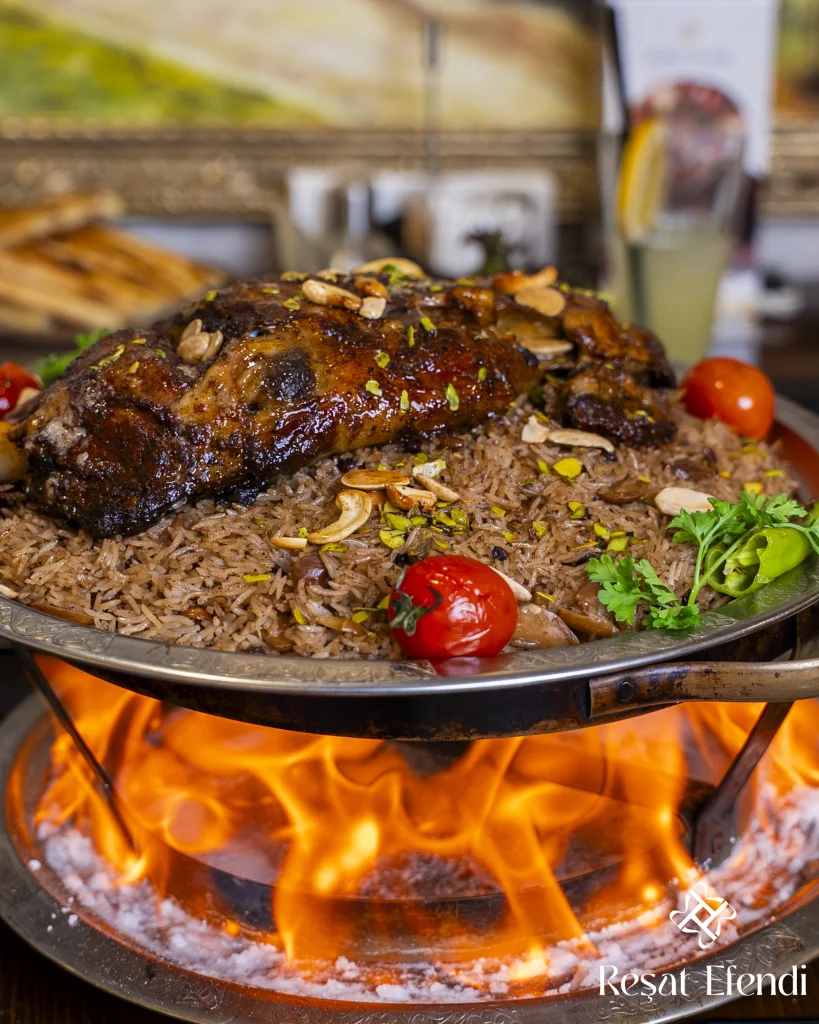
Kuzu Tandır is another iconic Ottoman specialty prepared by roasting lamb over low heat for several hours until it becomes exceptionally tender. Ottoman Cuisine in Istanbul
Served with rice or seasonal vegetables, this dish highlights the Ottoman preference for slow cooking techniques that preserve both texture and natural flavor.
Its simplicity allows the quality of the ingredients to take center stage.
Testi Kebab
Originally associated with central Anatolia but embraced within Ottoman culinary traditions, Testi Kebab is prepared inside a sealed clay pot.
The meat, vegetables, herbs, and spices slowly cook together, creating rich and aromatic flavors before the pot is dramatically opened at the table.
Beyond its presentation, the dish reflects the patience and craftsmanship characteristic of Ottoman cooking.
Yaprak Sarma
Stuffed vine leaves, known as Yaprak Sarma, have long been a staple of Ottoman dining. Ottoman Cuisine in Istanbul
Filled with aromatic rice, herbs, pine nuts, currants, and sometimes minced meat, these delicate rolls demonstrate the empire’s appreciation for balanced flavors and elegant presentation. Authentic Ottoman Cuisine Istanbul
They are commonly served as appetizers or as part of a larger traditional meal.
İç Pilav
Rice was an essential element of palace cuisine, and İç Pilav remains one of its finest examples. Authentic Ottoman Cuisine Istanbul
Prepared with fragrant rice, butter, pine nuts, currants, cinnamon, and aromatic spices, this dish offers a sophisticated combination of sweet and savory flavors that perfectly complements roasted meats. traditional Ottoman cuisine
Traditional Ottoman Desserts
No Ottoman dining experience is complete without dessert.
Classic sweets such as Baklava, Sütlaç, Kazandibi, and Aşure showcase the empire’s mastery of pastry, milk-based desserts, and carefully balanced sweetness.
Many of these recipes have survived for centuries and continue to delight visitors today. Ottoman Cuisine in Istanbul
Together, these signature dishes demonstrate why Ottoman food in Istanbul remains one of the city’s most remarkable culinary experiences. Each recipe tells a story of cultural exchange, skilled craftsmanship, and centuries of refinement, offering diners a taste of the empire’s rich gastronomic heritage. traditional Ottoman cuisine
Authentic Ottoman Cuisine Istanbul: What Makes a Restaurant Truly Authentic?
As interest in Ottoman gastronomy continues to grow, many visitors search for authentic Ottoman cuisine in Istanbul to experience the rich flavors once enjoyed in the imperial palaces. However, not every restaurant that serves traditional Turkish dishes offers a genuine Ottoman dining experience.
Authenticity goes far beyond the menu. It is reflected in the ingredients, cooking techniques, presentation, and atmosphere that bring centuries-old culinary traditions to life. Ottoman Cuisine in Istanbul
Here are the key elements that define an authentic Ottoman restaurant.
Traditional Recipes Passed Down Through Generations
Authentic Ottoman cuisine is rooted in recipes that have been carefully preserved over centuries. Rather than adapting dishes to modern trends, restaurants dedicated to Ottoman gastronomy respect the original methods and flavor profiles that made these recipes famous. Authentic Ottoman Cuisine Istanbul
From slow-cooked lamb dishes to delicately seasoned rice and handcrafted desserts, traditional preparation techniques remain at the heart of every authentic meal.
Fresh, High-Quality Ingredients
The chefs of the Ottoman palace kitchens placed enormous importance on ingredient quality, and this philosophy continues today.
An authentic Ottoman restaurant should prioritize:
Premium cuts of meat
Fresh seasonal vegetables
Natural herbs
High-quality butter and olive oil
Traditional spices used in moderation
Rather than overwhelming dishes with strong seasoning, Ottoman cuisine allows the natural flavors of carefully selected ingredients to shine. Ottoman Cuisine in Istanbul
A Historic and Elegant Atmosphere
The dining environment is an important part of the Ottoman culinary experience.
Restaurants inspired by Ottoman heritage often feature elegant interiors, traditional décor, warm lighting, and refined table settings that reflect the sophistication of imperial dining. Authentic Ottoman Cuisine Istanbul
While modern comfort is essential, an authentic atmosphere helps guests feel connected to the history behind every dish. traditional Ottoman cuisine
Genuine Turkish Hospitality
Hospitality has always been one of the defining characteristics of Ottoman culture.
Attentive service, thoughtful presentation, and a welcoming atmosphere transform a meal into a memorable experience. Guests should feel encouraged to relax, enjoy each course, and appreciate the traditions that have shaped Turkish dining for centuries.
Skilled Chefs Who Respect Culinary Heritage
Preparing authentic Ottoman dishes requires more than following a recipe. It demands an understanding of historical cooking techniques, ingredient balance, and presentation. Authentic Ottoman Cuisine Istanbul
Experienced chefs who specialize in Ottoman cuisine preserve these traditions while ensuring that every dish meets the expectations of today’s diners.
When these elements come together, visitors enjoy far more than a meal—they experience a living piece of Istanbul’s cultural heritage.
Traditional Ottoman Cuisine: A Culinary Legacy That Lives On
The appeal of traditional Ottoman cuisine lies in its remarkable ability to preserve centuries of culinary knowledge while remaining relevant to modern diners.
Unlike many historical cuisines that exist only in books or museums, Ottoman recipes continue to be prepared and enjoyed in carefully selected restaurants throughout Turkey.
One of the defining characteristics of Ottoman cuisine is its emphasis on balance. Rather than relying on bold or overpowering spices, dishes are crafted so each ingredient complements the others. Authentic Ottoman Cuisine Istanbul
Slow cooking also plays a central role in traditional Ottoman gastronomy. Meats are gently roasted or braised over several hours, creating exceptionally tender textures while preserving natural flavors.
Rice dishes are another hallmark of Ottoman cuisine. Instead of serving plain rice, palace chefs transformed it into elegant creations using butter, pine nuts, currants, cinnamon, almonds, and aromatic herbs.
Desserts hold an equally important place within Ottoman culinary traditions. Delicate pastries, milk-based sweets, fruit preserves, and sherbets were carefully prepared to provide a refined conclusion to every meal.
Perhaps most importantly, traditional Ottoman cuisine reflects a philosophy of generosity and hospitality. Meals were designed not only to satisfy hunger but also to bring people together, celebrate important occasions, and honor guests with exceptional food. Ottoman Cuisine in Istanbul
This enduring approach continues to define the finest Ottoman dining experiences today. Authentic Ottoman Cuisine Istanbul
Why Ottoman Cuisine Is Different from Modern Turkish Cuisine
Although Ottoman cuisine has played a significant role in shaping modern Turkish gastronomy, the two represent different culinary traditions. Understanding these distinctions helps visitors appreciate the historical depth of Ottoman cooking and recognize why it remains a unique dining experience in Istanbul today. traditional Ottoman cuisine
One of the most notable differences lies in their origins. Ottoman cuisine was developed within the imperial kitchens of the Ottoman palaces, where chefs prepared elaborate meals for sultans, members of the royal court, and distinguished guests. Every recipe was carefully crafted to reflect elegance, refinement, and culinary excellence. Ottoman Cuisine in Istanbul
In contrast, modern Turkish cuisine is rooted in regional traditions and everyday family cooking. While it preserves many influences from the Ottoman era, it places greater emphasis on practical recipes that have evolved across different parts of Turkey over time.
Preparation methods also distinguish the two. Ottoman dishes often require slow cooking, precise techniques, and carefully balanced ingredients to achieve their characteristic depth of flavor. Many recipes involve multiple stages of preparation, reflecting the meticulous standards of the imperial kitchens. Modern Turkish cuisine, on the other hand, generally focuses on simpler cooking methods that are well-suited to everyday life while still celebrating fresh, seasonal ingredients. traditional Ottoman cuisine
Another defining feature is the presentation of the food. Ottoman cuisine was designed to impress, with dishes arranged elegantly and served as part of carefully planned multi-course meals. Every detail, from the choice of ingredients to the visual presentation, reflected the sophistication of palace dining. Modern Turkish meals tend to embrace a more relaxed and informal style, emphasizing comfort, generosity, and the warmth of sharing food with family and friends. Authentic Ottoman Cuisine Istanbul
The flavor profiles also differ. Ottoman cuisine is known for its delicate balance of sweet and savory elements, often incorporating dried fruits, nuts, aromatic herbs, and subtle spices. Rather than allowing one flavor to dominate, each ingredient complements the others to create a harmonious dish. Modern Turkish cuisine generally highlights regional ingredients and bolder local flavors, resulting in dishes that are more straightforward while still deeply rooted in Turkish culinary traditions.
Despite these differences, Ottoman and modern Turkish cuisine are closely connected. The imperial kitchens laid the foundation for many of the recipes enjoyed throughout Turkey today, and countless traditional dishes continue to reflect their Ottoman heritage. traditional Ottoman cuisine
For visitors exploring Istanbul, experiencing both culinary traditions offers a deeper understanding of the country’s history and culture. While modern Turkish cuisine showcases the diversity of everyday regional cooking, Ottoman cuisine provides a rare opportunity to taste the refined flavors once served in the palaces of one of history’s greatest empires. Authentic Ottoman Cuisine Istanbul
Where to Experience Authentic Ottoman Cuisine in Istanbul
After exploring the history of Ottoman cuisine and discovering the dishes that once graced the tables of sultans, the next question is naturally:
Where can you experience authentic Ottoman cuisine in Istanbul today?
While Istanbul offers countless restaurants serving traditional Turkish food, only a select few are dedicated to preserving the culinary traditions of the Ottoman Empire. An authentic experience requires more than simply adding historic dishes to a menu it depends on respecting traditional recipes, using carefully selected ingredients, and creating an atmosphere that reflects the elegance of Ottoman hospitality.
For visitors seeking this combination of history, flavor, and authenticity, Reşat Efendi stands out as one of the city’s finest destinations for Ottoman cuisine. traditional Ottoman cuisine
Situated in the heart of Istanbul’s historic peninsula, the restaurant is just a short walk from some of the city’s most celebrated landmarks, including Hagia Sophia, the Blue Mosque, Topkapı Palace, and the Grand Bazaar. Its central location makes it an ideal place to enjoy a memorable meal before or after exploring Istanbul’s rich cultural heritage. Ottoman Cuisine in Istanbul
At Reşat Efendi, Ottoman cuisine is approached with a deep respect for tradition. The menu features recipes inspired by imperial kitchens, prepared with fresh, high-quality ingredients and traditional cooking techniques that preserve each dish’s original character.
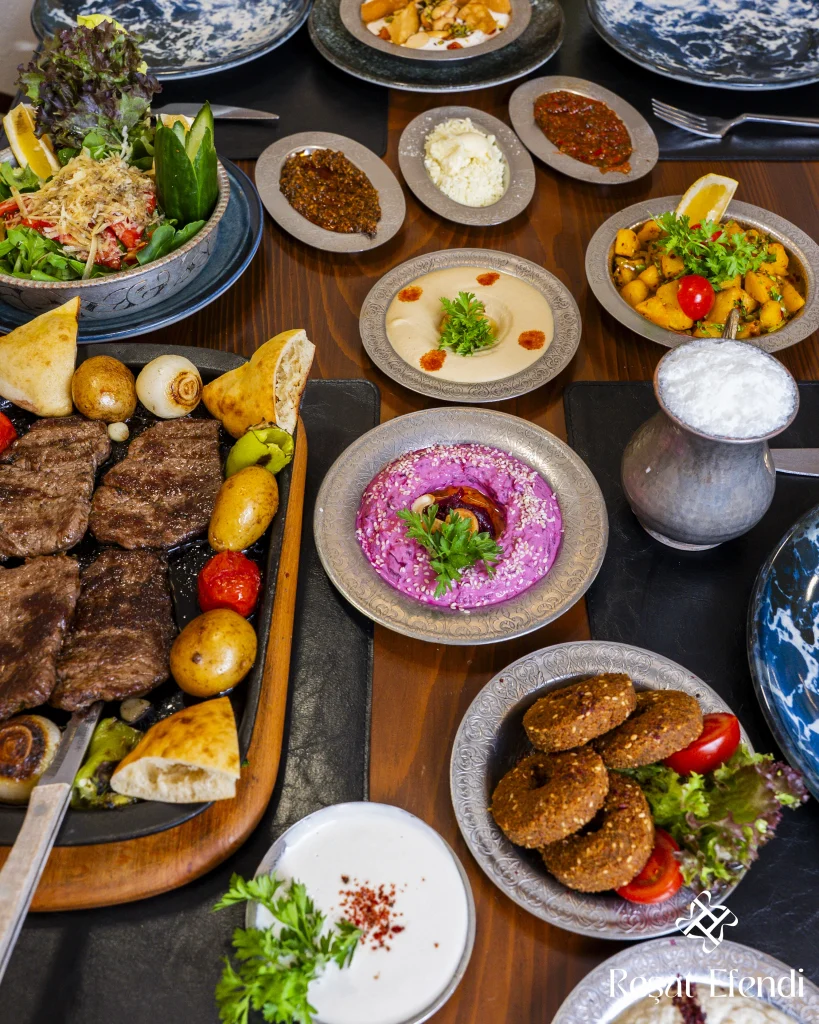
Guests can enjoy a carefully curated selection of Ottoman specialties, from slow-cooked lamb dishes and aromatic rice to elegant appetizers and handcrafted desserts that reflect the refinement of palace cuisine. Authentic Ottoman Cuisine Istanbul
The experience extends beyond the food. Warm hospitality, attentive service, and an inviting atmosphere inspired by Ottoman aesthetics create a setting where every meal feels like a journey into Istanbul’s imperial past. traditional Ottoman cuisine
Whether you’re discovering Ottoman cuisine for the first time or returning to revisit its timeless flavors, Reşat Efendi offers an experience that celebrates one of the world’s most remarkable culinary traditions.
Exploring Ottoman cuisine in Istanbul is about more than tasting exceptional food it’s an opportunity to experience a living legacy that has shaped Turkish gastronomy for centuries. Every dish reflects the creativity, craftsmanship, and cultural diversity of an empire that brought together culinary traditions from across three continents.
From iconic specialties such as Hünkar Beğendi and Kuzu Tandır to elegant rice dishes and timeless desserts, Ottoman cuisine offers a refined dining experience unlike any other. Its emphasis on fresh ingredients, balanced flavors, and meticulous preparation continues to inspire chefs and delight visitors from around the world.
Ulaşım ve Rezervasyon
Fatih’in en ünlü ızgara ve kebap restoranında unutulmaz bir lezzet deneyimi planlıyorsanız, mekana ulaşım son derece kolaydır.
Adres: Fatih’in kalbi, İstanbul (Fatih Camii yakınında, Tarihi Kapalıçarşı’ya sadece birkaç dakika mesafede).
Konum Linki: Doğrudan yol tarifi almak için Buraya Tıklayın
Çalışma Saatleri: Her gün 09:00 – 23:15 saatleri arasında hizmet vermekteyiz. Fatih’te Türk lezzetlerini ve ızgara kültürünü en iyi yansıtan mekanı arıyorsanız, Reşat Efendi sizin için en ideal seçimdir. Masanızı şimdiden ayırtın:
Telefon ile Rezervasyon: 0212 934 37 38
Doğrudan WhatsApp ile Hızlı Rezervasyon: Hızlı Rezervasyon İçin Buraya Tıklayın
If you're looking to discover authentic Ottoman cuisine in Istanbul, choosing a restaurant that honors these traditions is essential. Reşat Efendi brings together historic recipes, premium ingredients, warm Turkish hospitality, and a prime location in the heart of Istanbul's Old City, creating an experience that captures the true spirit of Ottoman gastronomy. Authentic Ottoman Cuisine Istanbul
Whether you’re exploring the city’s historic landmarks or seeking an unforgettable culinary experience, a meal at Reşat Efendi is a wonderful way to savor the flavors, traditions, and timeless elegance of the Ottoman Empire.
Frequently Asked Questions About Ottoman Cuisine in Istanbul
What is Ottoman cuisine?
Ottoman cuisine is the historic culinary tradition of the Ottoman Empire. It combines influences from Anatolia, the Balkans, the Middle East, the Mediterranean, and Central Asia, creating refined dishes known for their balanced flavors, elegant presentation, and slow-cooking techniques.
What are the most famous Ottoman dishes?
Some of the best-known Ottoman dishes include Hünkar Beğendi, Kuzu Tandır, Testi Kebab, Yaprak Sarma, İç Pilav, and classic desserts such as Baklava, Kazandibi, and Sütlaç. These recipes continue to represent the richness of Ottoman culinary heritage.
Where can I try authentic Ottoman cuisine in Istanbul?
Istanbul is the best place to experience authentic Ottoman cuisine, particularly in the historic districts where many restaurants preserve traditional recipes. For visitors seeking to enjoy imperial flavors in an elegant setting near the city’s major landmarks, Reşat Efendi offers one of the most authentic Ottoman dining experiences.
Is Ottoman cuisine different from Turkish cuisine?
Yes. While modern Turkish cuisine has inherited many elements from the Ottoman period, Ottoman cuisine is distinguished by its palace origins, refined recipes, sophisticated presentation, and carefully balanced flavors. It represents the imperial culinary tradition that influenced Turkish gastronomy for centuries.